
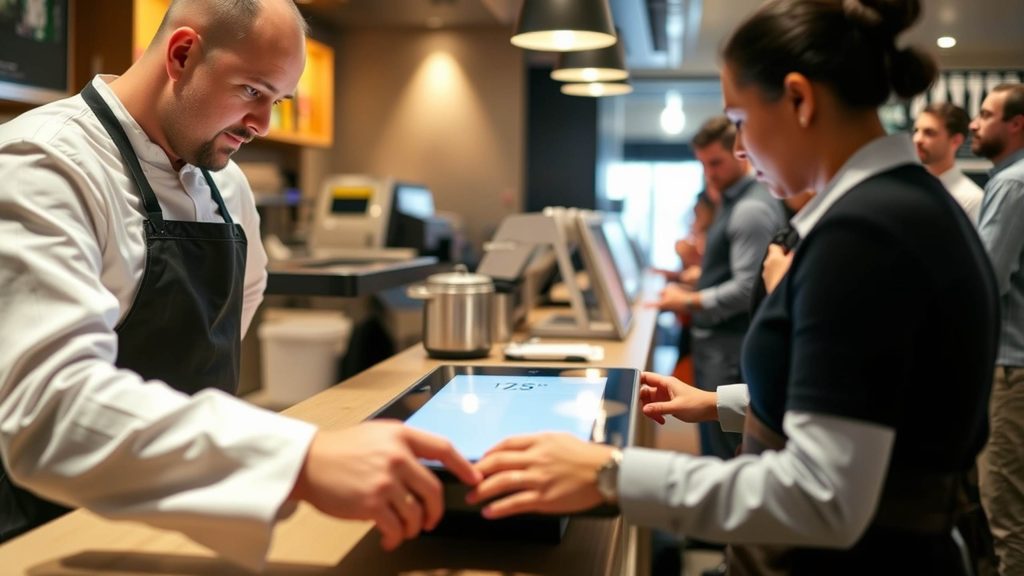
In the bustling UK restaurant scene, a modern POS system isn’t just a nice-to-have; it’s a necessity for growth, especially for takeaway services. From independent cafes to multi-branch chains, the right restaurant POS system can transform how a restaurant business operates, enhancing efficiency, improving customer experience, and boosting revenue. This article explores the critical role of POS technology in the UK hospitality sector, highlighting how modern POS systems can drive success.
Faster Service = Higher Revenue
Impact of POS Systems on Service Speed
In the fast-paced world of UK restaurants, speed is paramount. A modern POS system significantly impacts service speed by streamlining order taking and kitchen communication. Instead of relying on manual processes, staff can use tablets to input orders directly at the table, instantly sending them to the kitchen. This eliminates errors, reduces wait times, and allows for faster table turnover. For businesses like pizza restaurants or kebab shops, where speed is a key differentiator, a POS system can provide a considerable advantage.
Case Studies of Increased Revenue
Numerous restaurants in the UK have witnessed substantial revenue increases after implementing a modern POS system. For instance, a London-based Indian restaurant saw a 20% increase in sales after integrating online ordering with their POS system, while a coffee shop reported a 15% rise in revenue due to faster service and improved table management. These examples demonstrate how effective use of a POS system can translate directly into increased profitability for restaurants of all sizes. The right POS system can also track sales trends, allowing for data-driven decisions that further optimize revenue.
Customer Experience Enhancement
Customer experience is the lifeblood of any restaurant business, and a modern POS system plays a pivotal role in enhancing it. Contactless payment options, integrated loyalty programs, and personalized service all contribute to a more satisfying dining experience, particularly in takeaway settings. By streamlining the ordering and payment processes, a POS system allows staff to focus on providing excellent customer service. The system also can track customer preferences and offer personalized recommendations, further improving the customer experience and fostering loyalty, leading to repeat business and positive reviews.
Data-Driven Decisions
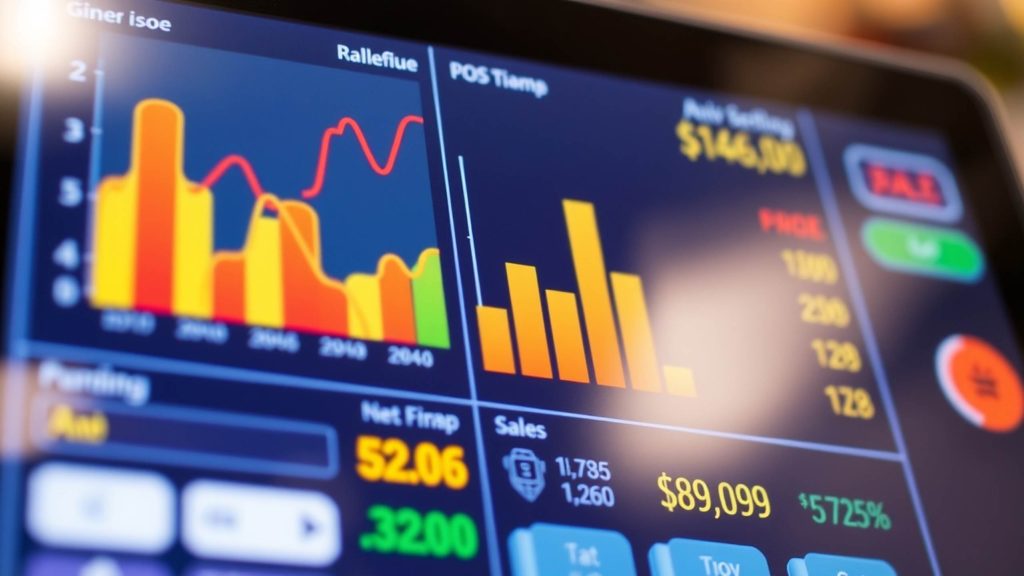
Leveraging POS Data for Business Insights
A modern POS system offers more than just transaction processing; it’s a powerful tool for gathering business insights. The data collected through the POS system can provide invaluable information about customer behavior, popular menu items, and peak service times. By analyzing this data, restaurant owners can make informed decisions about menu planning, staffing, and marketing strategies. The POS system allows restaurant owners to track sales performance across different locations, identify trends, and optimize operations for maximum profitability. With advanced POS reporting, understanding the nuances of your restaurant business becomes simpler than ever.
Analyzing Sales Trends with POS Technology
Analyzing sales trends is crucial for the success of any UK restaurant business, and POS technology simplifies this process significantly. A restaurant POS system can track sales data in real-time, allowing owners and managers to identify which menu items are most popular, which days and times are busiest, and which promotions are most effective. This information enables them to optimize inventory management, adjust staffing levels, and tailor marketing campaigns to specific customer segments. By integrating a POS system, restaurants can gain a deeper understanding of their sales patterns and make data-driven decisions to improve profitability and customer satisfaction.
Improving Menu Offerings Through Data
A modern POS system provides the data needed to continuously refine and improve your restaurant’s menu. By tracking which dishes are ordered most frequently and which receive the highest customer ratings, restaurants can identify their star performers and areas for improvement. The POS system can also track ingredient costs and profit margins for each menu item, helping restaurant owners make informed decisions about pricing and menu optimization. By analyzing POS data, restaurants can create a menu that appeals to their target audience, maximizes profitability, and minimizes food waste. This strategic approach to menu management can lead to increased customer satisfaction and repeat business for any multi-location restaurant business in the UK hospitality sector.
Multi-Channel Sales Integration
Delivery Apps and Online Ordering Integration
In today’s competitive UK restaurant landscape, multi-channel sales integration is essential, and a modern restaurant POS system is the linchpin. Delivery apps have revolutionized how customers order food, and integrating these platforms directly into your POS system streamlines order processing. Instead of manually entering orders from various delivery apps, the POS system automatically imports them, reducing errors and saving time. Online ordering, whether through your website or a third-party platform, should also seamlessly integrate with the POS system. This integration ensures accurate inventory tracking and helps optimize kitchen operations, especially for takeaway services. A multi-branch restaurant chain can particularly benefit from a central POS solution that aggregates data from all locations, providing a comprehensive view of sales and operations.
Streamlining Payment Processes
Streamlining payment processes is a critical aspect of multi-channel sales integration, and a modern POS system excels in this area. Contactless payments, including card payments and mobile wallets, are increasingly popular among UK customers, and your POS system should support these options. Integrating these payment methods directly into the POS system ensures fast and secure transactions, enhancing customer experience. Discount codes and loyalty programs should also be seamlessly integrated into the payment process, allowing for easy redemption and reward tracking. The best POS systems offer flexible payment options, catering to the diverse preferences of your customer base, whether they are dining in, ordering online, or using a delivery app.
Coordinating In-House and Remote Orders
Coordinating in-house and remote orders efficiently is a major challenge for many UK restaurants, but a modern POS system provides the tools to manage this complexity. The POS system acts as a central hub, routing orders from various channels – in-house, online, delivery apps – to the kitchen in a coordinated manner. This prevents bottlenecks and ensures that orders are prepared in a timely fashion. Table management features allow staff to track the status of each table and coordinate orders accordingly. For takeaways or restaurants with ghost kitchen operations, the POS system can prioritize remote orders, ensuring fast and efficient service. Effective coordination of in-house and remote orders is crucial for maximizing efficiency and customer satisfaction, and a robust multi-location POS system is indispensable for achieving this goal.
Operational Efficiency
Reducing Costs with a Modern POS System
A modern restaurant POS system is an essential tool for reducing operational costs within the UK hospitality sector. The right system can optimize processes from inventory tracking to order management, minimizing waste and maximizing efficiency. Efficient stock control, facilitated by real-time data, ensures that restaurants order ingredients and supplies only when needed, reducing storage costs and preventing spoilage. Moreover, a POS system streamlines order taking and payment processing, reducing the need for manual data entry and minimizing errors. By investing in a modern POS system, a multi-location restaurant business can significantly reduce its operating costs and improve its bottom line, ensuring sustainable growth.
Improving Table Management
Effective table management is crucial for maximizing revenue, particularly for busy restaurants in London and other major UK cities. A modern POS system offers features that optimize table turnover, allowing restaurants to seat more customers and increase sales. The best POS systems provide a visual representation of the dining area, showing the status of each table and allowing staff to quickly identify available seating. Table management features can also track the amount of time each table has been occupied, enabling staff to prioritize service and encourage faster turnover. By improving table management, restaurants can enhance the customer experience, reduce wait times, and boost revenue, making a multi-location POS system an essential investment.
Real-Time Inventory Management
Real-time inventory tracking is a critical advantage offered by a modern restaurant POS system. This feature allows restaurant owners to monitor their ingredient levels in real-time, ensuring that they always have the right amount of stock on hand. By tracking inventory levels, restaurants can minimize waste, reduce spoilage, and avoid running out of popular menu items. A sophisticated restaurant ePOS system can even predict future demand based on sales trends, helping owners make informed decisions about ordering and stocking. The POS system will track ingredient costs, including those for fish dishes, too. This level of precision in inventory management not only reduces costs but also enhances efficiency and customer satisfaction.
Competitive Advantage
Choosing the Right POS System for Your Restaurant
Choosing the right POS system is a Choosing the right POS system for a restaurant is a critical decision for any multi-location restaurant business looking to gain a competitive advantage. in the UK’s dynamic hospitality sector. There are different POS systems available in the UK, including options that are designed specifically for small takeaway operations. The best POS system should align with the specific needs and goals of the restaurant, taking into account factors such as size, type of cuisine, and customer base. Consider whether you need a cloud-based POS system for remote access and flexibility or a traditional on-premise system for enhanced security. Prioritize features such as online ordering integration, table management, and inventory tracking, and ensure that the chosen POS system is compliant with UK regulations and offers reliable customer support. The right POS system can transform a restaurant’s operations and provide a significant edge over competitors.
Types of POS Systems Available in the UK
The UK market presents restaurant owners with several POS system options, each designed to cater to different needs, including those of small takeaway businesses. Considering the variety, it’s helpful to categorize the common types available:
- Cloud-based POS systems, known for their flexibility and accessibility.
- Traditional on-premise systems, offering enhanced data security.
- Mobile POS systems, perfectly suited for businesses like food trucks and cafes.
- EPOS or electronic point of sale systems, a complete solution for restaurant management.
Each type of POS system offers different hardware and software components. The best type of POS system should be easy to use, reliable, and compatible with existing hardware and software, such as an iPad, but choosing a POS system is up to the restaurant owner.
Staying Ahead in the Hospitality Market by 2026
To stay ahead in the competitive UK hospitality market by 2026, restaurants must embrace modern POS technology and adapt to evolving customer expectations. The best POS systems will continue to integrate new features and capabilities, such as artificial intelligence and machine learning, to optimize operations and enhance customer experience, making them the cheapest option for small businesses. Restaurants should also focus on data-driven decision-making, using POS data to refine their menu offerings, streamline staffing levels, and tailor marketing campaigns. By embracing innovation and prioritizing customer satisfaction, small restaurants can position themselves for long-term success in the ever-changing hospitality landscape. Restaurants should also be sure they are compliant with UK standards and regulations by 2026.
