
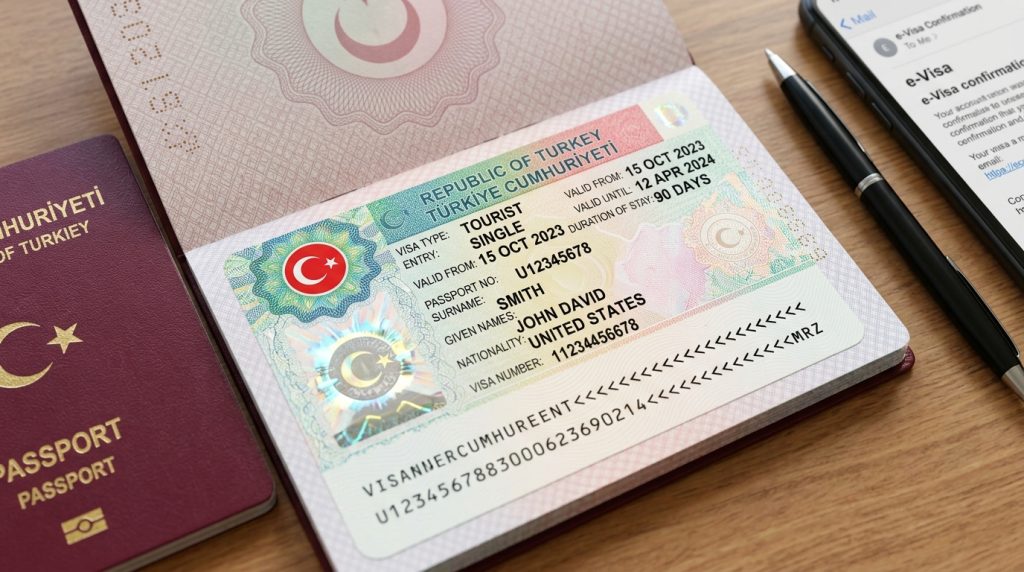
Türkiye stands as a unique bridge between Europe and Asia, making it a frequent hub for global travelers. Whether you are catching a connecting flight or planning to visit multiple regions, understanding the specific entry rules—especially regarding transit visas and the use of Schengen documentation—is essential for a seamless experience.
Understanding the Transit Process
For many passengers, Türkiye serves as a primary transit point. If you are simply changing planes at an international airport, you generally do not need an entry visa, provided you remain within the international transit area. However, if your itinerary requires you to exit the airport to explore the city or transfer to a different terminal that requires immigration clearance, you may need specific authorization.
Travelers who intend to leave the airport are subject to national visa regulations. In such cases, obtaining a Transit Visa for Turkey is the standard procedure. This visa is typically valid for up to three months and allows for a stay of up to five days per entry. To apply, you will generally need to provide proof of your onward journey, such as a confirmed flight ticket to a third country, along with a valid passport and the necessary application forms. It is recommended to check with the nearest Turkish consulate or embassy well in advance, as regulations can vary based on your nationality.
Traveling with a Schengen Visa
A common misconception among international travelers is that a Schengen visa automatically grants entry to all countries outside the Schengen Area. It is important to remember that Türkiye is not a member of the Schengen Area, and therefore, a Schengen visa does not grant you automatic visa-free access to Turkish territory.
However, many travelers who hold a valid Schengen visa (or a residence permit from certain countries) may be eligible for an e-Visa. If you hold a valid, unexpired visa or residence permit from a Schengen country, the United States, the United Kingdom, or Ireland, you might qualify for a single-entry e-Visa to Türkiye, provided you meet other eligibility criteria. If you are planning to Enter Turkey with Schengen Visa, you should verify your specific eligibility through the official Electronic Visa Application System. Always ensure that your Schengen visa is valid at the time of your entry into Türkiye, as an expired visa will not be accepted for this purpose.
Professional Best Practices for a Smooth Journey
To ensure your travel plans remain on track and you avoid any issues at border control, follow these professional guidelines:
- Verify Your Nationality: Visa requirements are largely determined by your passport nationality. Always check the official Republic of Türkiye Ministry of Foreign Affairs website to see if your country is exempt from visa requirements or eligible for an e-Visa.
- Passport Validity: Ensure your passport is valid for at least six months beyond your intended date of arrival. A damaged or expiring passport is a common cause for boarding denials or entry refusals.
- Documentation Readiness: Whether you are in transit or entering as a tourist, always carry printed copies of your flight itinerary, proof of accommodation, and any visa or e-Visa documentation. Digital copies can be useful, but physical copies are often requested by immigration officials.
- Plan Ahead: If you need a visa, submit your application at least a few weeks before your departure. This provides a necessary buffer for processing times and allows you to resolve any administrative queries that might arise.
By proactively managing your travel documents and understanding the distinctions between transit rules and entry permits, you lay the foundation for a productive and stress-free journey through one of the world’s most significant travel crossroads.
