
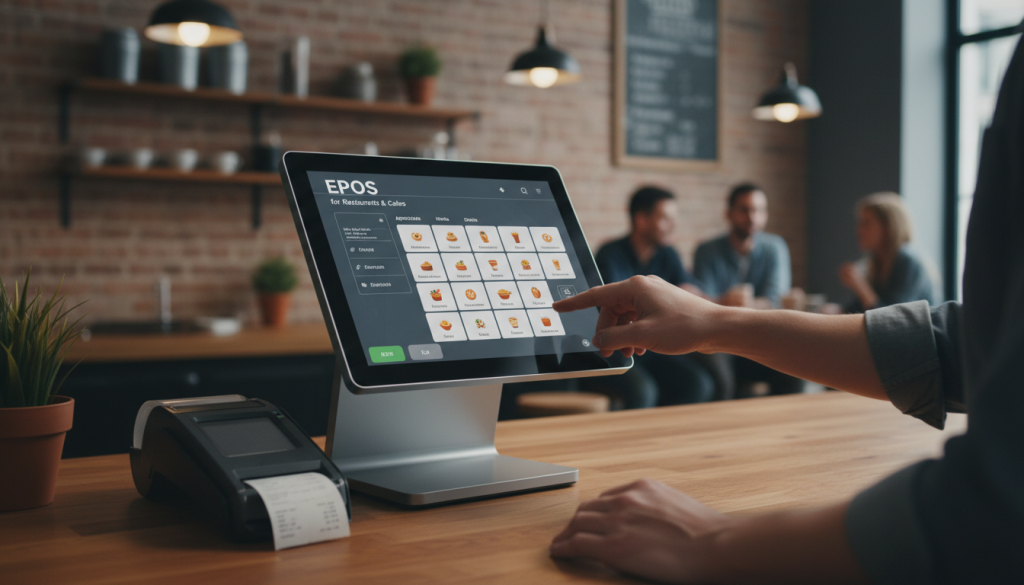
The British hospitality landscape has undergone a seismic shift over the last few years. Whether it’s a high-end bistro in London or a family-run café in the Cotswolds, the expectations of the modern diner have evolved. They want speed, accuracy, and a personalized experience. To meet these demands while navigating rising operational costs, savvy business owners are looking beyond traditional cash registers and moving toward a sophisticated restaurant EPOS system in the UK.
But what exactly differentiates a high-performing system from a basic one? It’s no longer just about taking payments; it’s about creating a unified ecosystem that supports the staff, delights the guests, and protects the bottom line.
The Local Context: Navigating the UK Market
Operating a restaurant in the UK presents a unique set of challenges. From managing specific VAT requirements to handling the sheer volume of contactless payments, the technology used needs to be robust. Generic software often fails to account for the nuances of the British service industry, such as the “service charge” culture or the need for seamless integration with local delivery platforms.
By choosing a restaurant EPOS system tailored for the local market, owners ensure they are compliant and efficient from day one.
Streamlining the Floor with Intelligent Tech
The “front of house” is where the magic happens, but it’s also where things can go wrong. Miscommunication between the server and the kitchen is a leading cause of food waste and customer dissatisfaction.
Mobile Ordering: Speed and Precision
One of the most significant upgrades in specialized hospitality POS technology is the transition to handheld ordering devices. When a server can take an order at the table and send it instantly to the kitchen display system (KDS), several things happen:
- Wait times decrease: Orders reach the chef seconds after the guest makes a choice.
- Accuracy increases: There is no “translation” needed from a handwritten notepad to a terminal.
- Table turnover improves: Faster service leads to more sittings per night, directly impacting revenue.
Frictionless Payments
In an era where “cash is no longer king” in the UK, your EPOS must handle everything from Apple Pay to split-bill requests with ease. A system that crashes during a busy Saturday night rush isn’t just an inconvenience; it’s a lost opportunity and a damaged reputation.
The Power of Back-Office Insights
While the customer sees the slick interface at the table, the real power of a restaurant EPOS system in the UK lies in the data it collects. For an owner, this data is the “secret sauce” for growth.
- Inventory Management: Modern systems track stock levels in real-time. If you sell a burger, the system automatically deducts the bun, the patty, and the toppings from your inventory. This allows for precise ordering and minimizes waste.
- Labor Optimization: By looking at heatmaps of when your restaurant is busiest, you can staff up for the rushes and trim down during the lulls, ensuring your labor-to-sales ratio stays healthy.
- Customer Loyalty: Understanding what your regulars order allows you to create targeted marketing campaigns. If a guest loves a specific vintage of wine, your system should help you tell them when it’s back in stock.
Future-Proofing Your Business
The hospitality industry is notoriously volatile. To survive, businesses must be agile. Cloud-based EPOS solutions allow owners to check their sales figures, update menus, and manage staff from anywhere in the world. This level of control was once reserved for massive global chains, but today, it is accessible to independent startups across the UK.
As we look toward the future, the integration of AI for predictive ordering and deeper CRM (Customer Relationship Management) will become the standard. Investing in the right platform now means you won’t be left behind as the industry continues to digitize.
Final Thought
A restaurant EPOS system in the UK is much more than a tool for processing transactions; it is the central nervous system of a successful hospitality business. By automating the mundane tasks, it frees up your team to do what they do best: provide a human touch and an unforgettable dining experience.
