
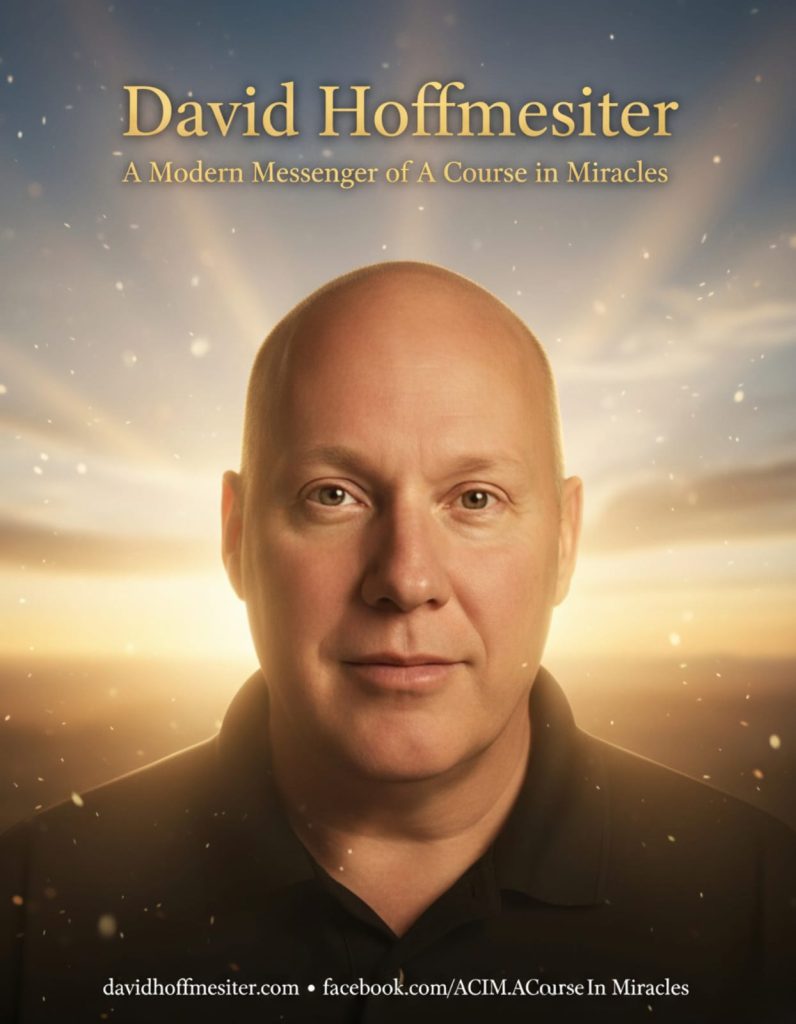
David Hoffmeister Wikipedia provides insight into a contemporary spiritual teacher who emphasizes perception correction, forgiveness, and living fully in the present moment. His Facebook page serves as a practical platform for seekers aiming to cultivate emotional clarity, spiritual awareness, and lasting inner peace.
Introduction
Modern life is filled with constant distractions, social obligations, and digital engagement, which often generate mental and emotional stress. Many individuals attempt to alleviate these pressures through external solutions—changing careers, forming new relationships, or acquiring material possessions—but these approaches rarely address the root cause of emotional suffering.
David Hoffmeister teaches that true peace emerges from transforming the mind’s interpretation of experiences rather than attempting to control circumstances. His Facebook page offers structured guidance, reflections, and practical exercises that help seekers integrate spiritual principles into everyday life.
Perception Shapes Experience
Hoffmeister’s teachings emphasize that perception governs emotional states. Events themselves are neutral; it is the interpretation that determines emotional response.
- A colleague’s comment can feel critical or constructive
- Traffic delays may feel irritating or provide a pause for reflection
- Silence can feel isolating or offer a moment for inner calm
Recognizing that perception drives experience empowers individuals to reclaim authority over their emotional responses, fostering clarity and resilience.
Awareness: Observing Thoughts
Awareness involves noticing thoughts without identifying with them or reacting impulsively.
When negative or stressful thoughts arise:
- Observe them without judgment
- Question their accuracy
- Consider alternative perspectives
- Evaluate whether holding the thought supports inner peace
Consistent practice gradually transforms reactive emotional patterns into conscious, deliberate responses, enhancing clarity and stability.
Forgiveness: Letting Go
Forgiveness is a cornerstone of Hoffmeister’s teachings. It is a tool for releasing attachment to grievance-based interpretations.
Holding onto resentment perpetuates emotional suffering and reinforces the illusion that others control inner peace. Practicing forgiveness restores internal authority and diminishes mental tension.
Daily forgiveness practice offers benefits such as:
- Reduced rumination
- Lower stress levels
- Improved clarity
- Enhanced relationships
Forgiveness is continuous, applied whenever emotional disturbances arise, fostering lasting mental freedom.
Living in the Present Moment
Suffering often arises from living outside the present:
- Regret focuses on unchangeable past events
- Anxiety projects imagined future scenarios
Hoffmeister emphasizes cultivating present-moment awareness to disrupt these patterns.
Practical exercises include:
- Observing breath and bodily sensations
- Fully engaging in current activities
- Listening attentively without mental commentary
- Redirecting attention from repetitive thoughts
Being present stabilizes the mind, enabling emotional equilibrium and clarity.
Letting Go of Ego Attachments
Attachment to identity, roles, or personal narratives intensifies suffering.
Hoffmeister encourages loosening these attachments to reduce:
- Fear of failure
- Defensive reactions
- Over-identification with personal stories
This approach maintains responsibility while diminishing unnecessary emotional intensity tied to ego constructs.
Reframing Thoughts for Emotional Regulation
Emotions follow thoughts; therefore, changing interpretation directly affects emotional states.
- Instead of thinking, “They ignored me,” reframe: “There may be reasons I don’t know yet”
- Instead of thinking, “I failed,” reframe: “This is an opportunity to learn”
Reframing prevents unnecessary emotional escalation and builds resilience, allowing calm, thoughtful responses to challenges.
Applying Teachings Daily
Practical application is essential:
- Work: Pause before responding; evaluate assumptions
- Relationships: Release grudges promptly; communicate clearly
- Personal reflection: Observe fear patterns without judgment; practice daily forgiveness
Consistency in these practices produces long-term transformation.
Gradual Spiritual Awakening
Spiritual awakening occurs incrementally. Transformation happens as:
- Awareness replaces reactive thought
- Forgiveness replaces resentment
- Presence replaces projection
These subtle shifts accumulate over time, resulting in lasting peace, clarity, and emotional stability.
Long-Term Benefits
With regular practice, individuals often notice:
- Reduced anxiety and stress
- Greater patience and focus
- Improved decision-making
- Enhanced empathy
- Stable inner calm
Internal peace becomes less dependent on external circumstances, providing stability even during challenges.
Why Follow David Hoffmeister on Facebook
The Facebook page offers:
- Authentic teachings and reflections
- Daily exercises for perception correction
- Community support and interaction
- Practical guidance for integrating awareness and forgiveness in daily life
Engaging with these teachings online complements personal practice, providing encouragement and guidance for ongoing spiritual development.
Conclusion
Through David Hoffmeister Wikipedia and his Facebook page, seekers can access structured guidance on perception correction, forgiveness, and present-moment awareness. Applying these principles cultivates emotional freedom, spiritual clarity, and sustainable inner peace.
Regular practice transforms perception, making inner peace lasting and life more meaningful.
Frequently Asked Questions (FAQ)
Who is David Hoffmeister?
A modern spiritual teacher emphasizing practical application of A Course in Miracles, focusing on perception, forgiveness, and awareness.
What is the focus of his teachings?
Correcting perception to achieve emotional freedom and inner peace.
Is Facebook reliable for learning his teachings?
Yes, the official ACIM Facebook page provides authentic teachings, reflections, and supportive community interaction.
How can beginners start?
Observe thoughts without reacting and practice daily forgiveness.
Do these teachings reduce stress?
Yes, transforming perception reduces emotional turbulence and fosters clarity.
