
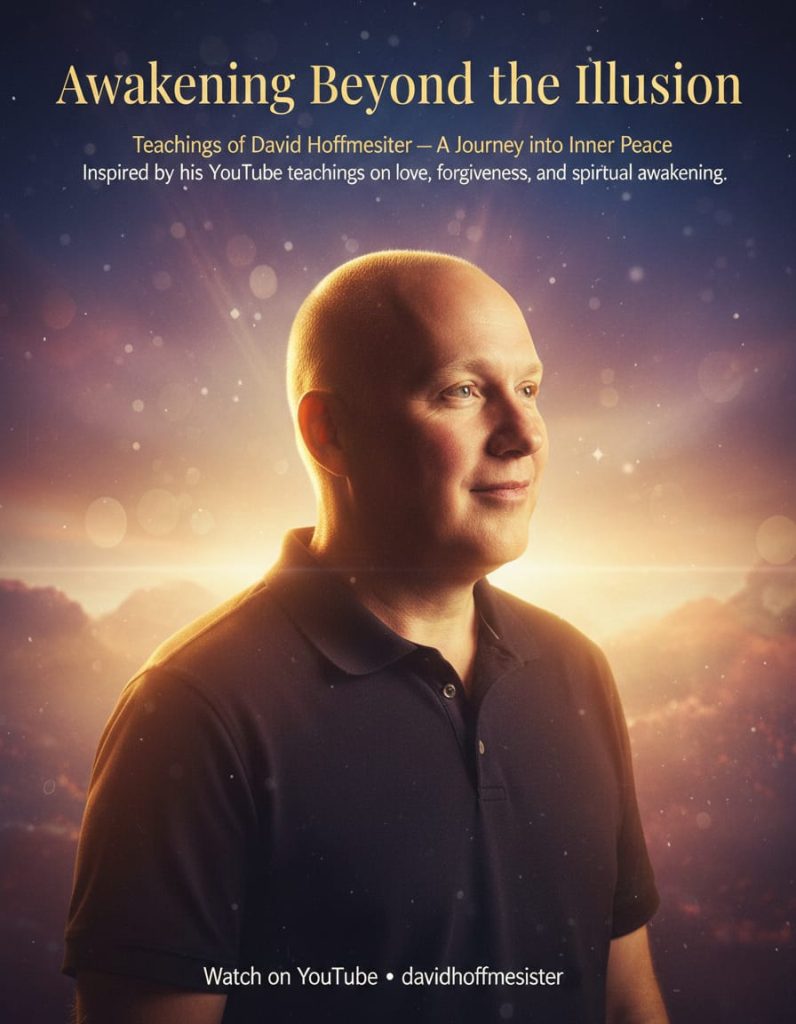
David Hoffmeister Wikipedia presents a comprehensive overview of a modern spiritual teacher whose message centers on forgiveness, awareness, and conscious living. David Hoffmeister has inspired thousands of seekers worldwide by emphasizing that inner peace is not something to achieve externally, but something to uncover within through disciplined perception and spiritual practice.
Introduction
In a world driven by ambition, comparison, and constant stimulation, individuals often experience anxiety, confusion, and emotional imbalance. Spiritual growth becomes not a luxury, but a necessity. David Hoffmeister teaches that peace is already present within the mind, yet obscured by fear-based thinking and misperception.
His guidance is grounded in practical spirituality. Instead of abstract philosophy, he offers direct methods to observe thoughts, release judgment, and practice forgiveness daily. Through teachings inspired by A Course in Miracles, Hoffmeister guides seekers toward clarity of perception and freedom from inner conflict.
Spiritual Foundation and Awakening
David Hoffmeister’s spiritual transformation began when he encountered A Course in Miracles. The text profoundly shifted his understanding of reality, identity, and perception. He realized that suffering originates from the mind’s attachment to false beliefs rather than from external circumstances.
He began sharing insights through small gatherings, retreats, and discussion groups. Over time, his message reached a global audience. His approach remained consistent: spiritual awakening is not about adopting new beliefs but releasing the false ones that block awareness of love and peace.
Hoffmeister teaches that enlightenment is practical. It manifests in daily interactions, communication, and perception. Forgiveness becomes the tool for dismantling ego-based thinking and restoring inner harmony.
Core Spiritual Principles
1. Perception Determines Experience
Hoffmeister emphasizes that the world reflects the mind’s beliefs. When fear dominates perception, conflict follows. When forgiveness replaces judgment, peace becomes the natural outcome.
2. Forgiveness as a Path to Freedom
Forgiveness in his teachings does not mean condoning behavior; it means recognizing that grievances are rooted in misperception. By releasing judgment, individuals free themselves from emotional bondage.
3. Present-Moment Awareness
The mind often oscillates between past regret and future anxiety. Hoffmeister teaches that peace exists only in the present moment. Awareness of the “now” dissolves psychological time and restores calm clarity.
4. Trust in Divine Guidance
Inner guidance, when trusted, leads to inspired action. Hoffmeister encourages listening beyond ego-driven impulses and aligning with deeper intuition. This trust reduces fear-based decision-making.
Digital Access and Spiritual Expansion
The rise of digital platforms has amplified Hoffmeister’s reach. Through video lectures, guided meditations, and Q&A sessions, seekers can access teachings regardless of geographic location.
Online resources connected to David Hoffmeister Wikipedia provide structured learning pathways. These materials allow individuals to explore topics such as perception, miracles, healing, and conscious relationships in a flexible format.
Digital accessibility ensures consistent exposure to spiritual principles, reinforcing daily practice and sustained growth.
Applying the Teachings Practically
Transformation requires application. Hoffmeister’s philosophy becomes effective only when practiced consistently.
Daily Meditation:
Meditation stabilizes awareness and reveals subconscious thought patterns. Observing thoughts without attachment reduces their control over emotional responses.
Forgiveness Reflection:
Each emotional trigger becomes an opportunity to practice forgiveness. Instead of projecting blame outward, individuals examine internal beliefs and release them.
Mindful Communication:
Conscious speech reduces conflict. Listening deeply and responding with clarity strengthens relationships.
Surrender of Control:
Hoffmeister emphasizes relinquishing the illusion of control. Trusting divine flow removes resistance and restores peace.
Consistent Study:
Revisiting teachings regularly strengthens understanding and supports integration into daily life.
Community and Shared Awakening
Spiritual growth often accelerates within community environments. Online forums, retreat gatherings, and digital discussion groups allow seekers to share insights and clarify understanding.
Community provides:
- Accountability
- Shared reflection
- Encouragement during doubt
- Exposure to diverse perspectives
Collective learning deepens personal insight and strengthens commitment to practice.
Challenges in Spiritual Practice
Every spiritual journey encounters resistance. Hoffmeister acknowledges common obstacles:
- Mental doubt
- Emotional attachment
- Fear of change
- Intellectual overanalysis
The solution remains consistent: return to present awareness and practice forgiveness. Spiritual progress is gradual and unfolds through willingness rather than force.
Emotional and Psychological Benefits
Consistent engagement with Hoffmeister’s teachings produces measurable internal shifts:
- Reduced anxiety and overthinking
- Improved emotional regulation
- Greater clarity in decision-making
- Strengthened empathy
- Deeper sense of purpose
Followers frequently report that conflicts diminish as perception shifts. Relationships improve because grievances no longer dominate interaction.
Spiritual growth becomes visible not through dramatic experiences but through sustained calmness and stability.
Living a Miraculous Mindset
Hoffmeister often refers to the concept of “miracles” as shifts in perception. A miracle is not a supernatural event; it is a correction in thinking from fear to love.
When perception changes, experience changes. Conflict transforms into opportunity for healing. Judgment becomes curiosity. Anxiety dissolves into trust.
This mindset reframes daily challenges as opportunities for awakening. Every situation becomes part of the spiritual curriculum.
Conclusion
The teachings found through David Hoffmeister Wikipedia emphasize that awakening is not distant or mystical—it is available through consistent forgiveness, awareness, and trust in inner guidance.
David Hoffmeister’s message remains clear: peace is already present. By releasing false perception and embracing present-moment awareness, individuals experience profound transformation. Spiritual growth becomes practical, sustainable, and deeply personal.
Frequently Asked Questions (FAQ)
Who is David Hoffmeister?
David Hoffmeister is a spiritual teacher known for sharing teachings inspired by A Course in Miracles, focusing on forgiveness and present-moment awareness.
What does he teach about forgiveness?
He teaches that forgiveness corrects misperception and releases emotional attachment to grievances.
How can beginners start practicing his teachings?
Beginners can begin with daily meditation, reflective observation of thoughts, and consistent study of his video teachings.
Is spiritual awakening practical in daily life?
Yes. Hoffmeister emphasizes applying awareness and forgiveness in everyday interactions and decisions.
How often should one engage with the teachings?
Regular engagement—daily if possible—helps integrate principles into lived experience.
